
Wash Mitts
A wash mitt that sheds fibers, traps grit against paint, or loses its pile depth after a few washes defeats the entire purpose of a careful hand-wash routine. Lucullan Wash Mitts combine premium microfiber construction with deep-pile fiber arrays that lift and hold contamination safely away from painted surfaces during every stroke. Order online now from the official store and get the best price on the complete mitt lineup.
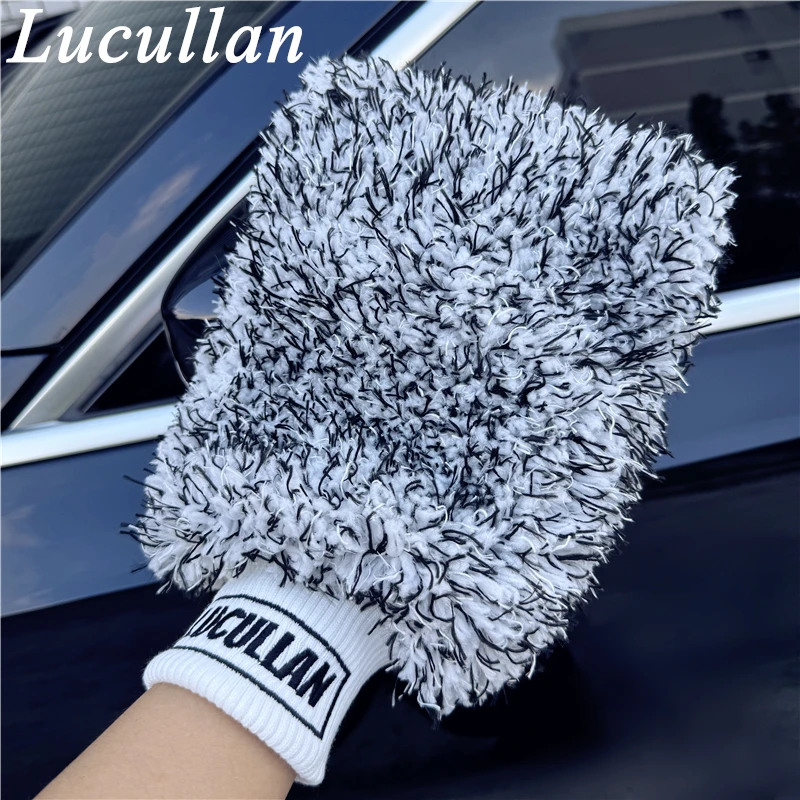
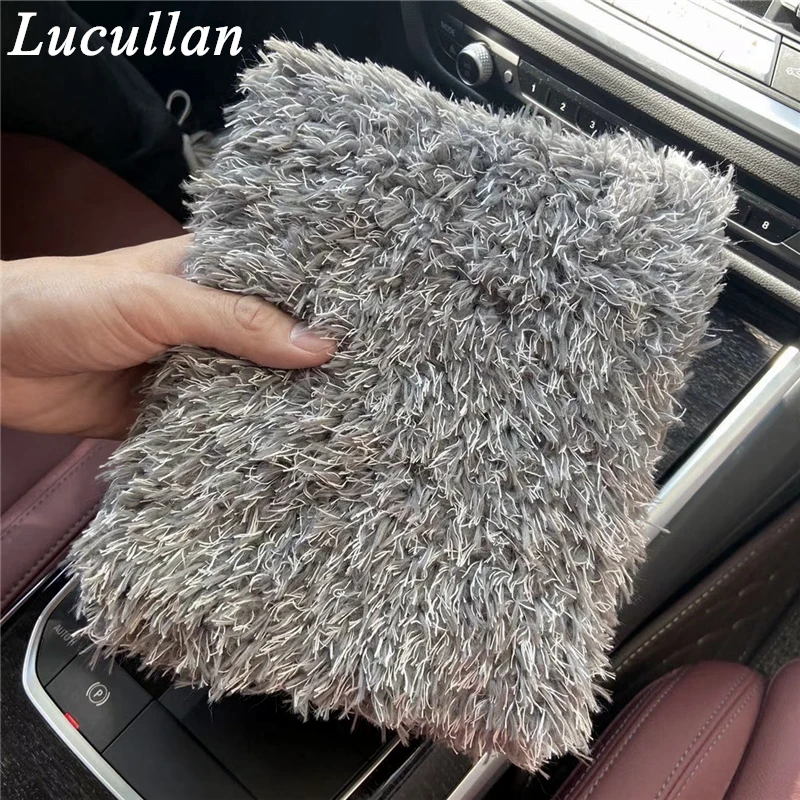
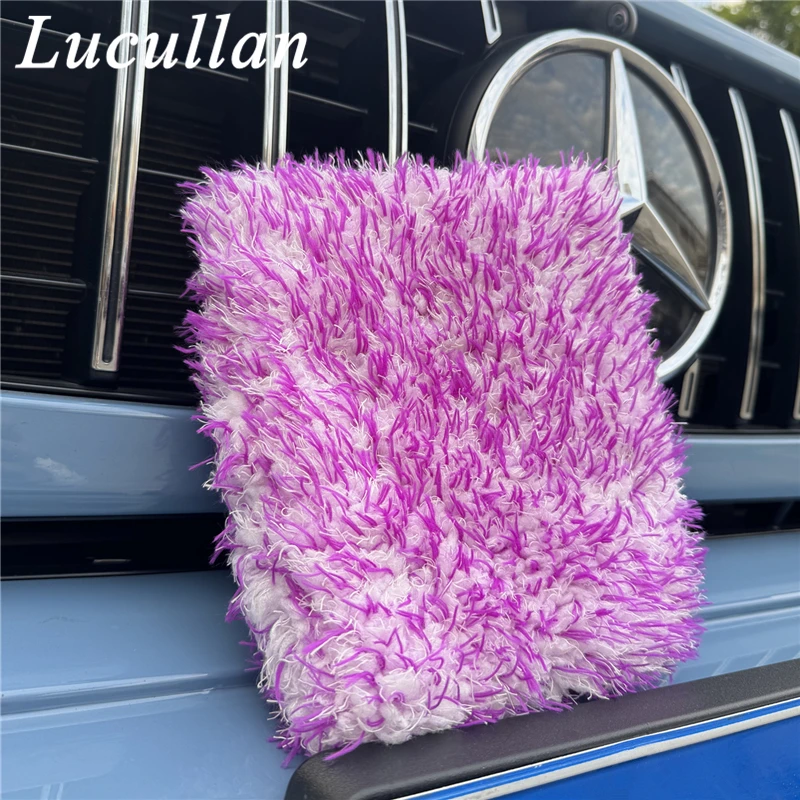

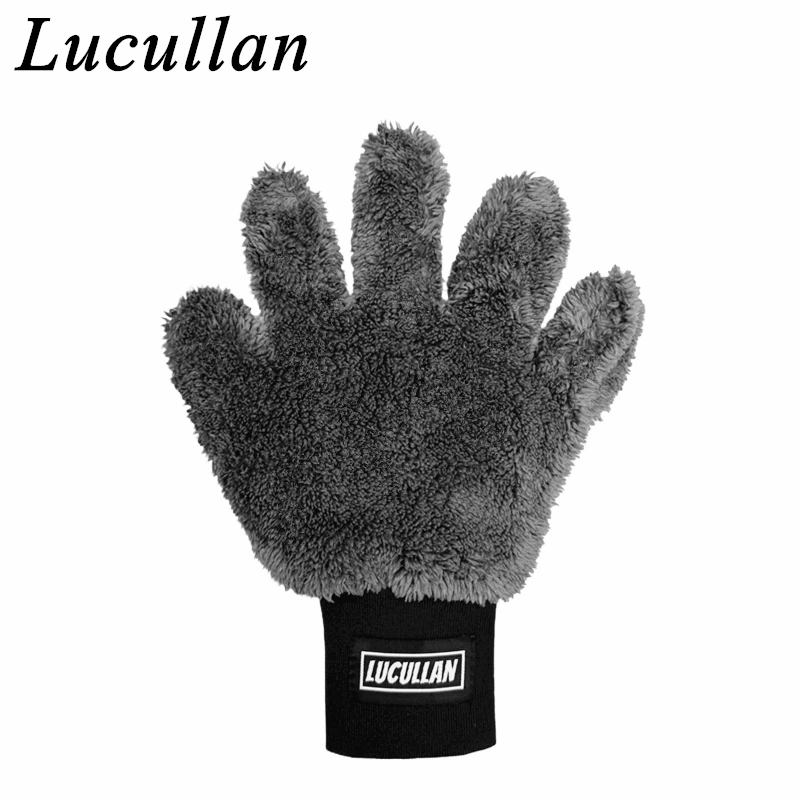
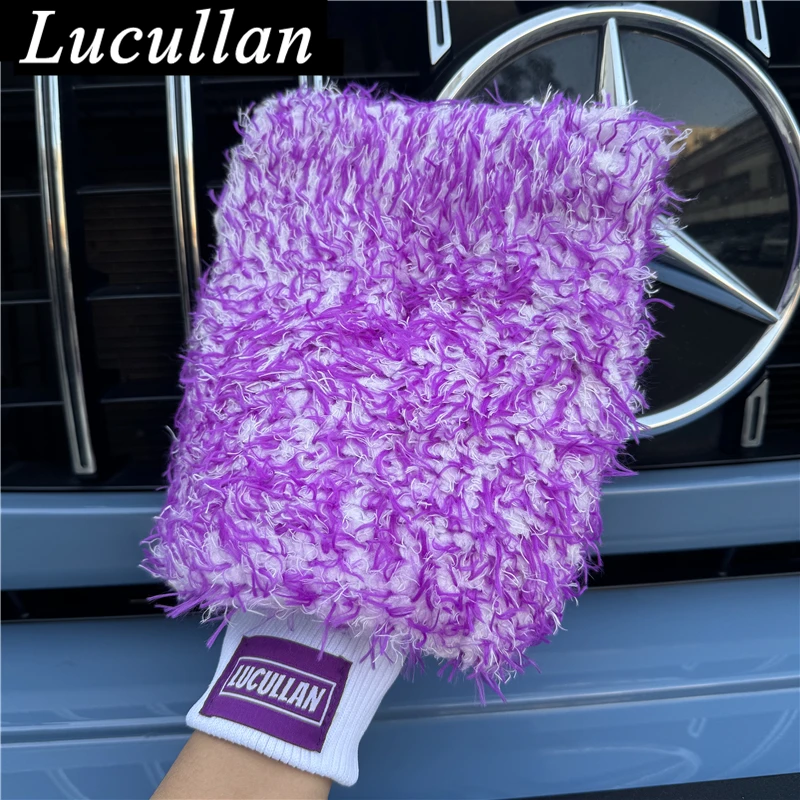
Lucullan Wash Mitts with Premium Microfiber Construction
The wash mitt is the single piece of equipment that spends the most time in direct contact with your paint, which makes the quality of its construction the most consequential choice in a hand-wash setup. Lucullan Wash Mitts are built from premium microfiber fiber blends with a pile depth engineered to create a physical buffer between your hand pressure and the clear coat below. Six models cover standard panel washing, large-format applicators for trucks and SUVs, contour-specific designs for curved rooflines, and compact mitts sized for wheel arches and tight panel transitions. Each mitt features a cuffed wrist opening with an elasticated closure that prevents the mitt from slipping off during aggressive scrubbing passes on heavily soiled lower panels. The fiber density across the palm and back faces is matched to maximize shampoo retention per dip into the wash bucket, reducing the number of times you need to reload between panels. Professional detailers working on high-value vehicles choose these mitts because the fiber specification reduces the correction work required after the wash stage. Consistent quality across the full range means a best price purchase from the official store delivers the same premium microfiber performance whether you order a single mitt or a full professional set.
Fiber Pile Depth, Weave Structure, and Engineering Details
Premium microfiber quality is defined by three measurable variables: fiber fineness in deniers, pile height in millimeters, and GSM weight — and this range is specified with all three calibrated to automotive paint contact standards. The mitt fiber uses a 70/30 polyester-polyamide split construction, where the polyamide component provides the structural strength that prevents fiber breakage during wringing and repeated machine washing. Pile height across the standard panel mitt measures 20 millimeters, creating a deep fiber cushion that holds abrasive particles suspended within the pile rather than at the tip where they would contact paint. The weave structure uses a waffle-pattern backing layer beneath the pile face to increase water flow between fibers, ensuring shampoo solution distributes evenly from the first stroke to the last before the mitt needs reloading. Stitched fiber panel joins use a flat-locked seam technique that eliminates raised stitch lines on the contact face — a construction detail that prevents the localized scratching caused by the exposed thread loops found on lower-quality mitts. The cuff material is selected for chemical compatibility with the full range of automotive shampoo pH levels, preventing the elastic degradation that causes cheap mitt cuffs to lose tension after contact with concentrated detergents. Independent wash cycle testing confirms that pile height retention after 200 machine wash cycles at 40 degrees Celsius stays above 90 percent of the original measurement for this trusted brand’s mitt range.
Why Premium Microfiber Mitts Outperform Alternatives
Comparing wash mitts across construction tiers reveals measurable performance differences that directly affect paint condition over a vehicle’s service life. Budget synthetic alternatives use mono-filament fibers that cannot split at the tip, meaning the contact surface area per fiber is a fraction of what split microfiber delivers — reducing both contamination capture and lubrication between the tool and paint. A 20-millimeter pile depth physically separates hand pressure from the panel surface by a compressible fiber buffer; flat-pile mitts with 5-millimeter pile depth offer no equivalent protection when grit particles are present in the wash water. This brand validates scratch resistance by running mitts loaded with 200-mesh silica particles across test panels at 300-gram contact pressure for 30 passes, then measuring surface gloss loss with a calibrometer — results consistently show less than 0.5 GU loss on 2H-rated clear coat. Competing mitts at lower price points fail the same test at an average of 2.8 GU loss, a difference visible to the naked eye under showroom lighting. The premium microfiber pile also retains shampoo solution 40 percent longer per dip than short-pile alternatives, reducing bucket contact frequency and the associated risk of re-introducing settled contamination to the wash surface. Order from the official store to access the full range with verified fiber specifications rather than relying on unverifiable product descriptions from third-party resellers.
Choosing the Right Mitt and Getting the Best Results
Matching mitt size and pile depth to your vehicle type and typical contamination level is the most direct way to improve wash results without changing any other part of your process. Large-format mitts with extended cuff depth suit truck and SUV owners because the additional fiber face area covers more panel surface per stroke, reducing total wash time on large flat surfaces. Standard panel mitts in the 20-millimeter pile grade deliver the best balance of contamination capacity and maneuverability for most passenger cars, particularly on curved surfaces where a large mitt becomes difficult to control. Always use the two-bucket method: clean shampoo solution in the first bucket, rinse water with a grit guard in the second, and agitate the mitt firmly in the rinse bucket between every panel to release trapped particles before reloading with fresh shampoo. After each wash session, machine wash the mitt separately from other laundry using a detergent free of fabric softeners, which coat microfiber strands and permanently reduce their absorption and contamination-capture capacity. Inspect the mitt face before each use for embedded particles that survived the wash cycle and remove them with a lint roller before the mitt contacts paint. Shop now at the best price and protect your paint investment with a tool built to the same standard as the vehicles it cleans.